
Race Day Nutrition
Getting your nutrition right on race day matters and can make a big difference on how you perform.
However, the right strategy depends on your event. A sprinter’s pre-race routine looks very different from a marathoner’s, and applying marathon-style carb loading to a 400m heat is unnecessary and potentially counterproductive. This article will explain the key principles by event.
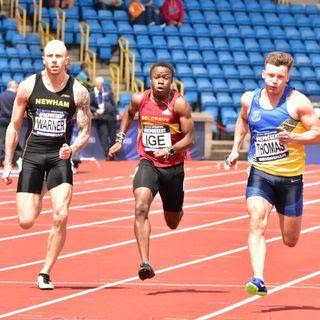
Photo 3 athletes
Best Principles for All Runners
Whatever the distance, a few things apply across the board:
- Nothing new on race day: Practice your race-day fuelling in training, because trying something new can cause GI distress and derail your race. Training is the time to find out what works best for your body.
- Meal timing: If you’re racing in the morning, your body needs to used to eating early, and you need to give yourself enough time to digest. Again, this is something to practice in training.
- Post-race recovery matters: It’s easy to neglect recovery nutrition after competition, but recovery is crucial, especially if you have multiple heats.
Sprints
Sprinting relies primarily on the phosphocreatine and anaerobic glycolytic energy systems. This means that while your glycogen stores are important, the demands are very different from endurance events, and traditional carb loading isn’t needed.
Aim to eat normally the day before your event. Daily carbohydrate needs for sprinters are lower than for endurance athletes. This doesn’t mean restricting carbs, but just that you don’t need to carb load mountains of pasta and bread the day before a race. When it comes to the carbs you are eating, keep meals simple and familiar, and if you have a history of GI troubles, try to eat low-fibre foods that are easily digested.
On race morning, eat a familiar carbohydrate-based meal 1–4 hours before competing, aiming for around 1–2 g/kg of carbohydrate. Keep fat and fibre low to avoid slowing digestion.
Some examples include:
- Porridge with banana and a glass of juice
- Scrambled eggs on toast with fruit juice
- Low-fat yoghurt with fruit and honey
Track meets often involve multiple rounds across a day. Prioritise easy-to-digest carbohydrates between events and keep fluid intake up. Gels, bananas, rice cakes with honey, or white bread with jam are all sensible options. Avoid anything high in fat or fibre between rounds.
Middle Distance
Middle-distance events are short enough that formal carb loading is generally unnecessary, but these events are run at high intensity and glycogen availability can be limiting. This means arriving at the start line well-fuelled is crucial.
Aim to eat like usual the day before, but ensure each meal and snack has a good amount of carbohydrates. On race morning, eat a carbohydrate-rich meal, and top up with a carby snack about 1 hour before your race.
Examples of a race morning breakfast include:
- 2–3 pieces of toast with jam or peanut butter and honey
- Porridge with banana and honey
- A bagel with jam and fruit juice
Distance (Under 90 Minutes)
Events under approximately 90 minutes at race pace don’t require carb loading. The pre-race focus is on arriving well-fuelled and well-hydrated, with a sensible breakfast and trying nothing new on race day.
Eat normally the day before, ensuring you have enough carbohydrates at each meal and snack. On race morning, have a carbohydrate-rich breakfast, such as:
- 2–3 pieces of toast with jam or peanut butter and honey
- Large bowl of porridge with banana and honey
- 1–2 bagels with jam and fruit juice
For events over 60 minutes, such as the half marathon, it’s a good idea to consume carbohydrate during your race in the form of sports drinks, gels, or snacks you’ve trained with (for example, dried fruit or gummy sweets). It’s crucial here to only race with what you’ve trained with to avoid GI distress. Be sure to hydrate throughout the race as well, especially if it’s hot outside.
Distance (Over 90 Minutes)
For events expected to last longer than 90 minutes, carbohydrate loading is important because throughout the event, you’ll deplete your glycogen stores, which can then have a detrimental effect on your performance. You may have heard this called “hitting the wall.” Carb loading helps you store more glycogen in your liver and muscles, providing the extra fuel you’ll need during a longer race.
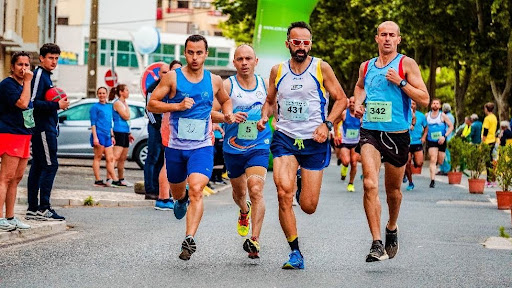
Photo Marathon runners
Aim to eat 2–3 hours before the start of your race, keeping the meal low in fat and fibre.
Some examples include:
- White toast or bagels with honey or jam, banana, sports drink
- Porridge with banana and honey
- White rice with honey (for those with sensitive stomachs)
You’ll need to consume carbs during the race, which is something you should practice in training. Aim for 30–60 g of carbs per hour, though some athletes consume 90 g per hour in longer races (for example, ultra marathons).
Some options include:
- Energy gels (25–32 g carbohydrate each)
- Gummy sweets (around 5 g of carb each)
- Sports drinks
- Dried fruit
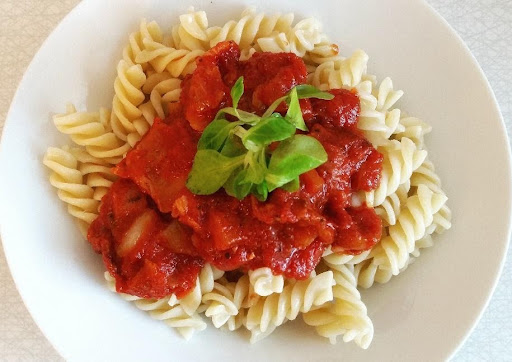
Photo Pasta with tomato sauce
Post-Race Recovery
Regardless of event, recovery nutrition follows the same principles as after a hard training session:
- Within 30–60 minutes: Carbohydrate + protein snack (chocolate milk, yoghurt with fruit, recovery shake)
- Within 1–2 hours: A balanced meal based around carbohydrates with high-quality protein and vegetables
References
Burke, L. M., et al. (2011). Carbohydrates for training and competition. Journal of Sports Sciences, 29(sup1), S17–S27. https://doi.org/10.1080/02640414.2011.585473
Kerksick, C. M., et al. (2018). ISSN exercise & sports nutrition review update: research & recommendations. Journal of the International Society of Sports Nutrition, 15(1), 38. https://doi.org/10.1186/s12970-018-0242-y
Slater, G., Sygo, J. & Jorgensen, M. (2019). Sprinting: Dietary approaches to optimize training adaptation and performance, 29. https://journals.humankinetics.com/view/journals/ijsnem/29/2/article-p85.xml