
Protein
Our bodies are built out of proteins. To build more muscle or to repair that which has been used in training (or to repair injuries) we need a good supply of proteins from our diet.
Having said that, most people get sufficient protein from their diets already in the West - those in the East who eat more rice / noodles etc and don't have as much meat sometimes suffer from a lack of protein.

Photo Eggs in box
As a runner you need to ensure that you are getting the right amount of protein in your diet. Too little and you won't recover between sessions - too much and the excess just gets stored as fat in your body.
15% is a widely recognised percentage of calorific intake that should be eaten. This roughly equates to 100-150g of protein for a typical power athlete in a day. This would ideally be consumed as normal food (meat, nuts, dairy products) during the course of the day (not all in one go). Protein shakes can be a good option pre and more particularly post training, but generally shouldn't be required at other times of day.
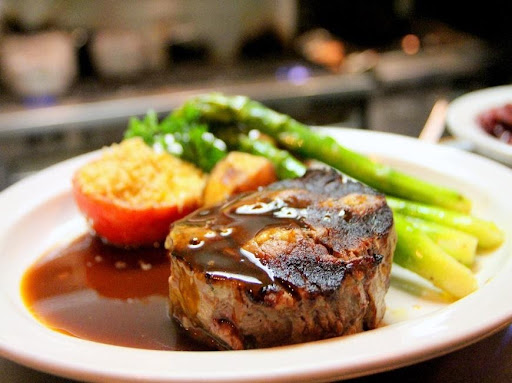
Photo Main course
Slightly more scientifically, we can measure our protein intakes according to the levels and type of activity that we do - in terms of an amount for each kilogramme that we weigh.
- Sedentary People - 0.75g / kg
- Endurance Athletes - 1.2 - 1.4g / kg
- Power Athletes - 1.6 - 1.8g / kg
This equates to about 80g for a 60kg distance runner and about 140g for an 80kg sprinter.
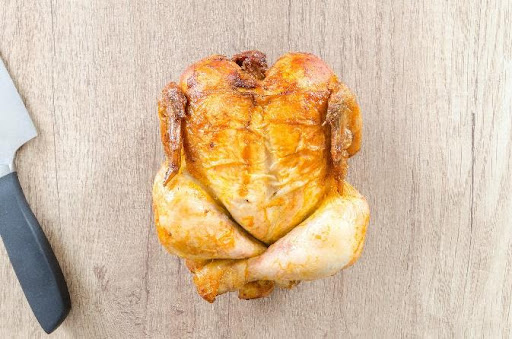
Photo Whole roast chicken
As mentioned earlier, this may well be covered by your normal diet - it is worth recording what you eat for a couple of days to see what you intake is and then adjust it if necessary. In particular, vegetarians and vegans should analyse their protein intake as it is likely to be lower than that of meat eaters.
Foods containing good quantities of protein include
- Fish
- Lean Meat
- Poultry
- Beans
- Nuts
- Eggs
- Cheese
- Tofu
- Chickpeas
- Lentils
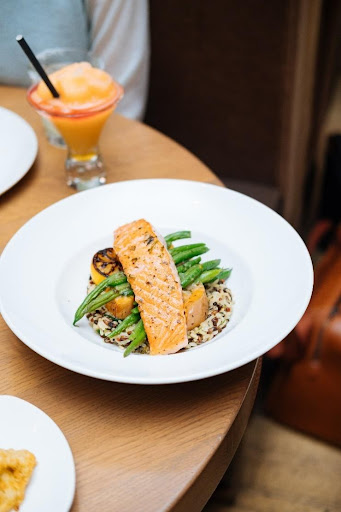
Photo Salmon main course
The information here is written by an athletics coach who has read widely into the subject and not a sports nutritionist, so is about gearing your food and drink to the practicalities of running.