
Carbohyrdates for runners
Carbohydrates are the equivalent of petrol for cars for our bodies. Without them we don't run properly.
There are two types of carbohydrates, simple and complex, which relates to the number of molecules in their make up. Simple carbohydrates are basically sugars (glucose and sucrose being two of the commonest), whilst starches make up a lot of the complex carbohydrates.

Photo
An index, called the Glycemic Index, has been devised to give us information about how fast the body absorbs them. Mainly this is intuitive (e.g. sugary sweets have a high GI, but rice also - which may explain why people often complain of being hungry soon after a Chinese meal). It is useful as the higher the index the greater the fluctuations in the blood's glucose and insulin levels, which can lead to a condition called hypoglycemia, which is where our blood sugar is very low and we feel very lethargic.
Basically, to avoid this, don't consume large quantities of high GI foods in one go.
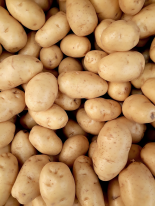
Photo Potatoes
Nutritionists also prefer complex carbohydrates because they are better at storing vitamins, minerals and fibre, hence why you may have heard the term that sugars are empty calories.
Carbohydrates are stored in the body in the form of glycogen, both in the liver (which is used primarily for brain function) and in muscles. The muscle glycogen is what is used to power us around our runs. It is the depletion of this fuel (about 1500-2000 calories) which results in "hitting the wall" in a marathon as the body then needs to find other fuels with which to power us. It is the reason why marathon runners need to take on more than just water in a race as carbohydrate stores are depleted by between 90 – 120 minutes of exercise.
Trained muscles can store more glycogen than untrained ones, part of the reason why trained athletes are better.

Photo Carbohydrate depletion
Most of the time it is beneficial to consume complex carbohydrates, but during and immediately after training simple ones are better as your body is craving sugar to keep going or start the recovery process. It is then important to try to have a full meal containing all food groups within two hours of training.
Examples of Carbohydrate Rich Foods
Simple Carbohydrates
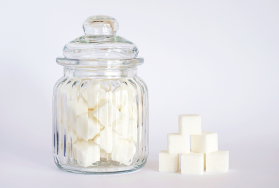
1/2
Photo Sugar
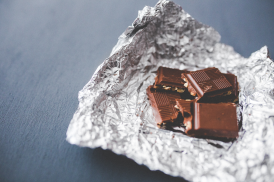
2/2
Photo Chocolate
- Sugar
- Honey
- Sweets
- Chocolate
- Fruits (particularly dried and very ripe ones)
- Sweet Cereals
- many types of rice
- White Breads
- most sweet tasting drinks
- white pasta
- many potatoes
Complex Carbohydrates
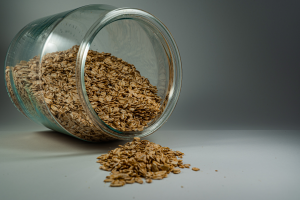
Photo
- Wholemeal Bread
- Wholemeal Pasta
- Wholemeal Bread
- Sweet Potato
- Porridge Oats
- Skimmed Milk
- Unprocessed Beans
- Yoghurt
The information here is written by athletics coaches who have read widely into the subject and not a sports nutritionist, so is about gearing your food and drink to the practicalities of running.